

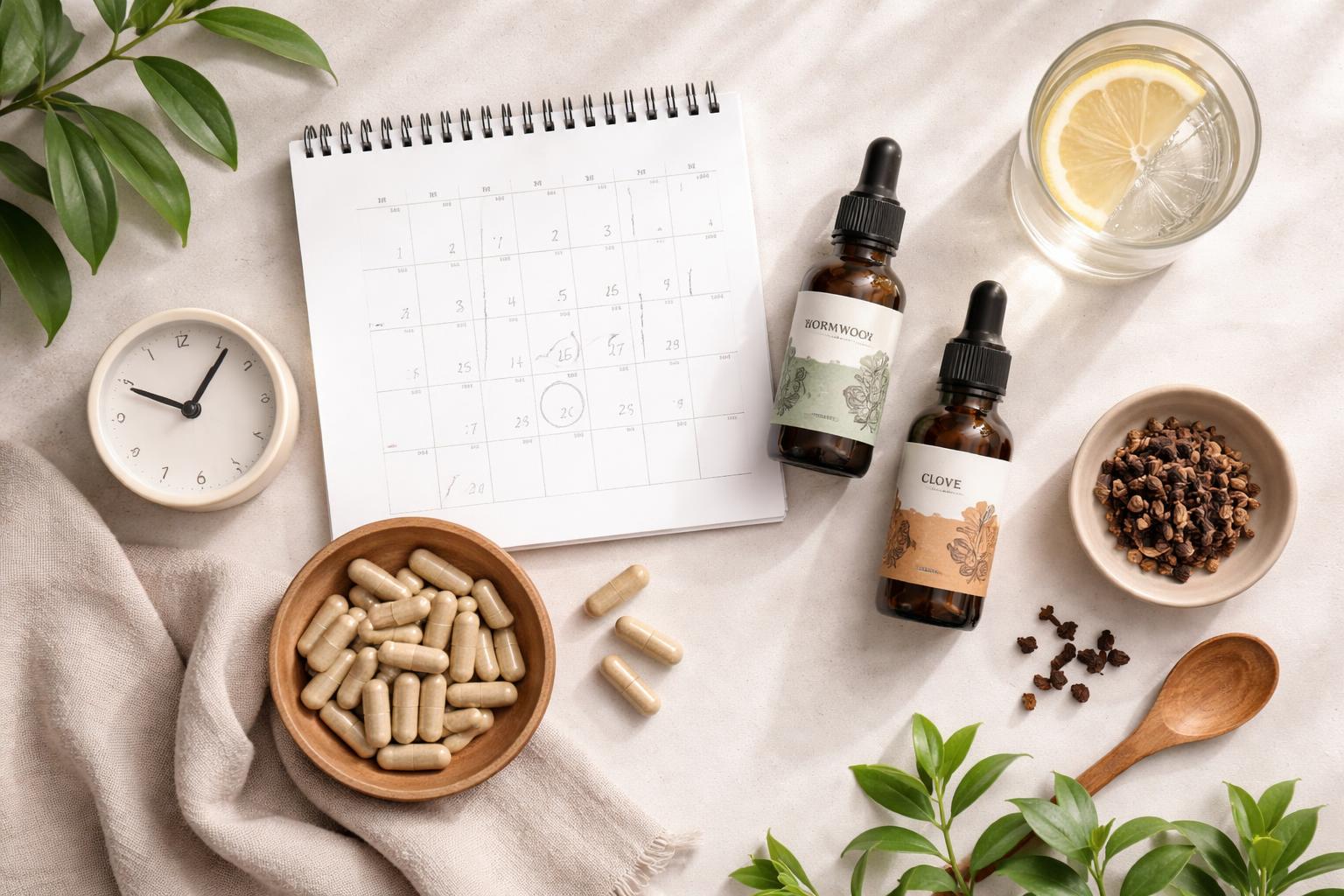
Best Time to Take a Parasite Detox: What Actually Matters
If you’ve been researching parasite cleanses, you’ve probably seen strong opinions and plenty of hype. Here’s the grounded version. The best time to take a parasite detox is when three things line up: you can be consistent, you’re medically appropriate for a cleanse (no red flags or contraindications), and you’ve aligned expectations with evidence. If you suspect a true parasitic infection, the best time is right now to see a healthcare professional for testing and approved treatment, not to self-detox.
First, a quick reality check on “parasite detox”
In medicine, intestinal parasites are diagnosed with stool tests and treated with targeted antiparasitic medications. Over-the-counter or herbal “detox” products aren’t approved to diagnose, treat, cure, or prevent disease. Some people do report improved digestion or energy during a structured, gentle protocol that also improves diet, hydration, sleep, and stress. Those supportive habits drive much of the benefit. If you choose to do a non-prescription cleanse, think of it as a lifestyle reset with cautious use of herbs, rather than a medical treatment. And get medical care promptly for persistent diarrhea, weight loss, blood in stool, fever, severe abdominal pain, recent high-risk travel exposures, or symptoms in children, pregnant individuals, or immunocompromised people.
So, when is the best time to start?
The right timing is less about the calendar and more about your capacity to do it well and safely. Look for a window when:
- You’re not traveling or under major work or family stress.
- You can maintain consistent meals, hydration, and sleep for 2 to 4 weeks.
- You’re not pregnant, breastfeeding, acutely ill, or recovering from surgery.
- Your clinician agrees it’s reasonable for you, given your medications and medical history.
Many people find early spring or early fall easier because routines are steadier and rich, heavy holiday foods are off the table. But if your most consistent month is July, then July is right for you.
Daily timing: morning vs. night, with or without food
If your chosen protocol suggests timing, follow that guidance first. Otherwise, here’s a practical approach:
Morning is often best for consistency. Take herbs on an empty stomach 20 to 30 minutes before breakfast if tolerated. If you feel queasy, pair them with a small snack or take with your first meal. Evening can work if mornings are rushed, but avoid doses that disrupt sleep. If any ingredient feels stimulating, take it earlier in the day.
The big goal is predictability. Pick a time you rarely miss, set a reminder, and anchor it to an existing habit like brewing coffee or brushing your teeth.
What about the full moon?
You may have seen claims that parasites are more active during a full moon, so cleanses “work better” then. There’s no credible clinical evidence supporting this timing. If the full moon helps you start and stay consistent, fine. But don’t depend on lunar phases for results; focus on adherence, diet, and hydration.
Timing around your menstrual cycle
There’s no strong data that menstrual timing changes cleanse effectiveness. Many people prefer to avoid starting during the heaviest days due to lower energy and cramping. If you track cycles, consider beginning in the follicular phase (after your period) when energy may be steadier. If you have a history of heavy bleeding, anemia, or are trying to conceive, speak with a clinician before starting any cleanse.
Travel, exposure, and testing windows
If you’ve had high-risk exposures (untreated water, undercooked meat, travel to regions with known parasites), the best next step is diagnostic testing, not a supplement cleanse. Testing guides proper treatment and prevents complications. If you must travel soon, wait until you’re home and settled before starting any protocol, because changes in diet and hydration on the road can complicate symptoms.
How to prepare your body for a gentler experience
Start with a one-week “prep” phase focused on the fundamentals. These habits do more for your gut than any capsule:
- Hydration: Aim for steady water intake with electrolytes as needed.
- Fiber: Build to 25 to 35 g daily from vegetables, beans, oats, chia, and ground flax.
- Protein and healthy fats: Support satiety and blood sugar stability.
- Limit alcohol and ultra-processed foods: Reduce gut irritation.
- Sleep and stress basics: A rested, regulated system handles change better.
If constipation is an issue, resolve it before you start. Gentle magnesium citrate or glycinate (per label) and fiber can help, but check with a clinician, especially if you have kidney issues or take medications.
How long should a cleanse last?
Most non-prescription protocols range 2 to 4 weeks, sometimes with a short break and repeat. Longer is not necessarily better and may increase side effects. If you feel worsening symptoms beyond mild digestive changes, pause and reassess with a professional.
Common side effects and how to reduce them
Mild gas, bloating, changes in stool, and temporary fatigue are common with any sudden diet or supplement shift. People often attribute this to “die-off,” but there’s no reliable way to confirm that mechanism at home. If you feel off, scale the dose down, take with food, and increase hydration and electrolytes. Gentle movement, a warm bath, and a lighter dinner can also help. Severe pain, persistent fever, blood in stool, dehydration, or ongoing vomiting are not normal, seek care.
Medication and condition considerations
Some herbs commonly found in parasite cleanses (like wormwood, black walnut, and clove) may interact with medications or be inappropriate in liver disease, pregnancy, or breastfeeding. If you take anticoagulants, seizure meds, immunosuppressants, or have gallbladder or liver issues, do not start without medical clearance.
Sample weekly rhythm that respects timing
Here’s a simple, timing-focused framework if your product label lacks specifics. Always default to your label and clinician’s guidance first.
- Week 0: Prep your gut, sleep, and hydration.
- Weeks 1 to 3: Take your chosen product at the same time each morning. If sensitive, start at half-dose for 3 to 5 days and build up.
- Daily: Prioritize protein-rich breakfast, 25 to 35 g fiber, 2+ liters of water, a walk after your largest meal.
- Reassess at week 2: If you feel well, continue. If not, scale back or pause.
FAQs
Is there a single “best” month for a parasite detox?
No. Choose a month when your routine is steady and you can be consistent. Early spring or fall are convenient for many, but adherence matters most.
Should I detox during the full moon?
There’s no solid evidence it helps. If it motivates you, fine, but don’t rely on it.
Morning or evening?
Morning tends to support consistency and may reduce reflux, but choose the time you can stick to every day.
Do I need a binder or special add-ons?
Some protocols include fiber or clay-based binders. Evidence is limited. If used, keep hydration high and avoid taking them near medications or essential supplements to prevent interference.
The bottom line
The best time to take a parasite detox is when your schedule, health status, and support systems make consistency and safety realistic. Prioritize testing and medical treatment when infection is suspected. If you choose a non-prescription cleanse, keep it gentle, time it for a calm season of life, take it at the same time daily, and let smart basics, fiber, hydration, quality food, sleep, do the heavy lifting.
Medical disclaimer
This article is educational and not medical advice. Parasites are medical conditions requiring proper diagnosis and, when indicated, prescription treatment. Always consult a qualified healthcare professional before starting any cleanse, especially if you have symptoms, take medications, or have chronic conditions.