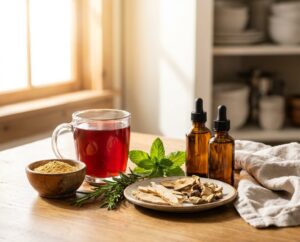
Natural Energy Without Caffeine: Herbs and Habits That Help
Tired of the caffeine roller coaster? Here is how to build steady energy with everyday habits, plus what research says about adaptogens and caffeine-free teas.
Tired of the caffeine roller coaster? Here is how to build steady energy with everyday habits, plus what research says about adaptogens and caffeine-free teas.
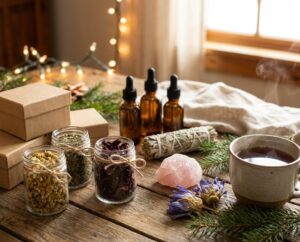
From loose leaf tea bundles to House of Serenity tinctures, crystals, and herbal ebooks, here are our favorite herbal gift ideas for the holidays, all found right here in Winston-Salem.
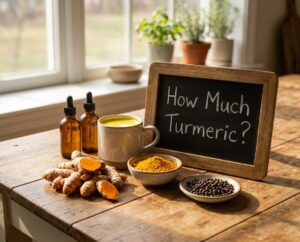
Studies on joint comfort have used about 500 to 2,000 mg of turmeric extract or curcumin a day. Here is what that research shows, why black pepper matters, and how to choose the form that fits you.
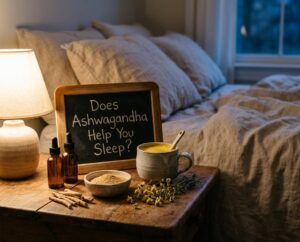
Studies suggest ashwagandha extracts may support sleep, especially at about 600 mg a day for eight weeks or more. We cover what the research says, timing, and easy ways to enjoy it at night.
Spearmint, cinnamon, vitex, and more: here is what early studies say about herbs for PCOS, how people use them, and why your doctor stays at the center of your care.
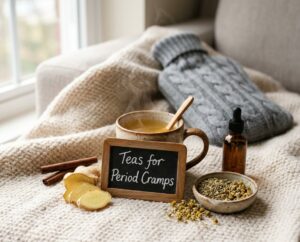
Ginger has the most research for period cramps, and chamomile, fennel, cinnamon, red raspberry leaf, and peppermint are cozy traditional favorites. Here is what the science says, plus comfort habits and brewing tips.
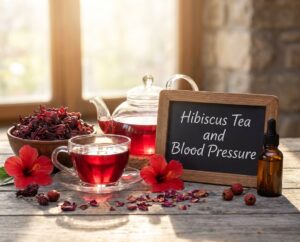
Research suggests hibiscus tea may modestly support healthy blood pressure, and early results are encouraging. Learn what studies found and how to enjoy it with your doctor's guidance.
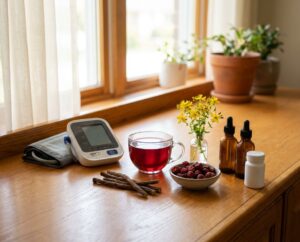
Many herbs can fit your routine with a doctor's guidance. Here is our calm, friendly guide to which herbs to check first and why your pharmacist is a great first stop.
Valerian, lemon balm, ashwagandha, magnesium, CBD, and melatonin are popular natural sleep aids. We look at what the research really says, how they compare, and when sleep trouble needs a doctor.
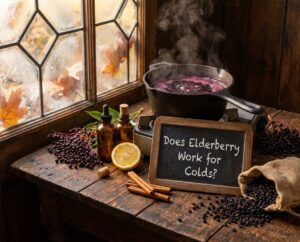
Elderberry may help ease cold and flu symptoms, and early research is encouraging. Here is what studies show, when to take it, and how to choose a form.