
Top 5 Herbs for Relaxing: The Leafy Source Guide to Calm
When your day runs long and your mind won’t slow down, nature offers a quiet ally: the leafy source of calm. Calming herbs have supported rest and resilience for centuries, and used thoughtfully, they can help you unwind, sleep more soundly, and meet stress with a softer nervous system. In this guide, we’ll cover the top five herbs for relaxing, how to use them, and what to consider for quality and safety.
As always, herbs work best when paired with gentle routines: dim lights, fewer screens, and a warm cup in your hands. And if you’d like curated options from a trusted wellness shop, you can check availability at House of Serenity Holistic Wellness for thoughtfully sourced herbs and blends at houseofserenityhw.com.
Quick navigation
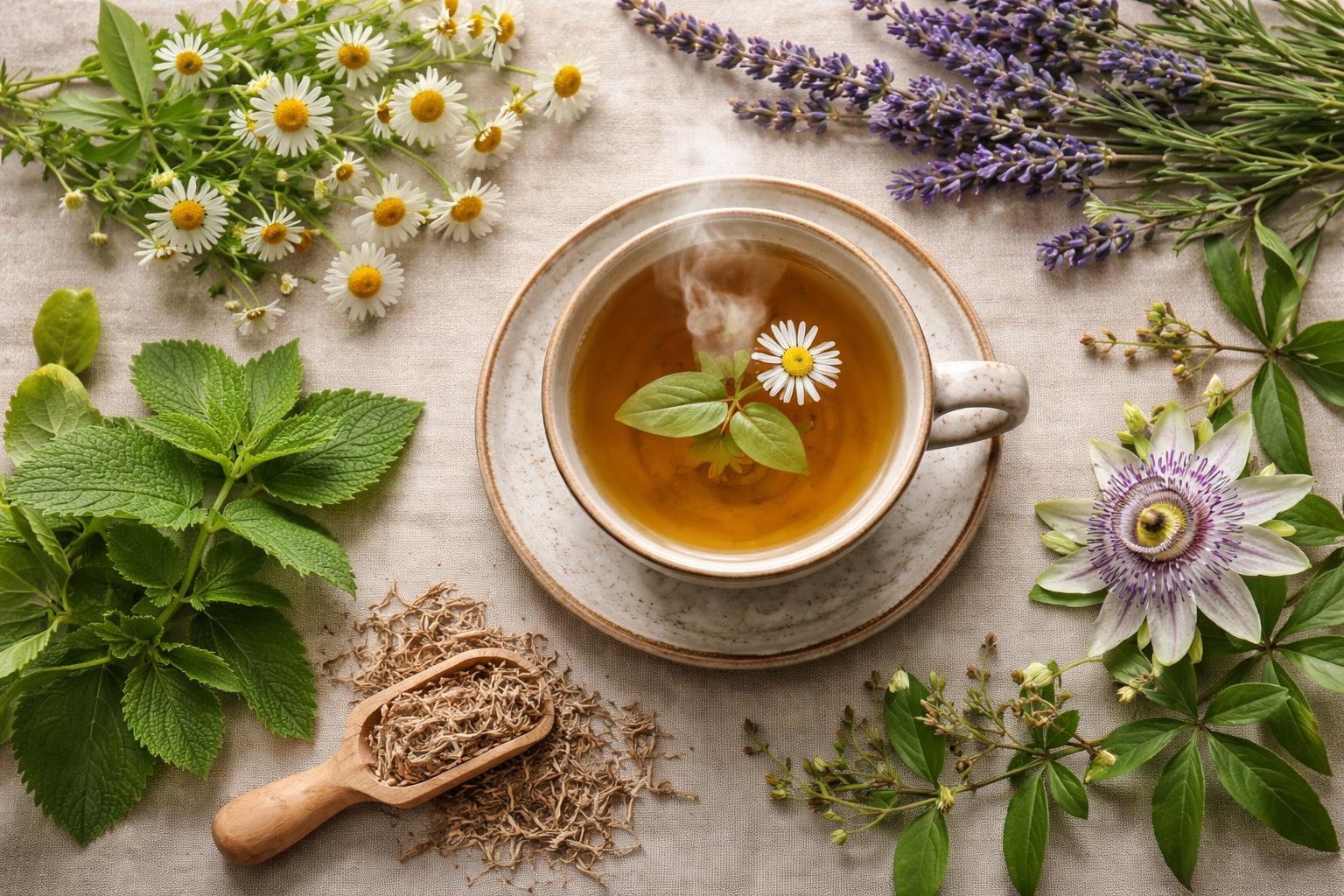
1) Chamomile (Matricaria chamomilla)
Chamomile is the classic evening cup for a reason. Its gentle, apple-like aroma makes it soothing to sip, and it’s traditionally used to ease nervous tension and support better sleep. Many people find a nightly chamomile tea helps transition from busy thoughts to a softer, more restful state. It’s generally well-tolerated and a good starter herb if you’re new to calming botanicals.
Try it as a simple tea or blend with a pinch of lemon balm for a rounder flavor. For deeper calm, a glycerite or tincture before bed can feel more direct. If you’re looking for quality whole blossoms or a ready-made blend, explore availability through House of Serenity Holistic Wellness at houseofserenityhw.com.
How to use chamomile
Tea: 1 to 2 teaspoons of dried flowers per cup, steep covered for 7 to 10 minutes. Tincture: follow label guidance. Evening is ideal.
2) Lemon Balm (Melissa officinalis)
Lemon balm is bright and calming at once. With a citrusy lift and a smooth finish, it’s traditionally used for a tense mood, occasional restlessness, and gentle digestive support when the gut feels stressed. It’s a day-to-night herb: calming without making you foggy, especially in moderate amounts.
Fresh or dried, lemon balm makes a lively tea and pairs beautifully with chamomile or lavender. It’s also available as tinctures for on-the-go calm. For clean, well-dried leaf with strong aroma, check what’s in stock at House of Serenity Holistic Wellness here: houseofserenityhw.com.
How to use lemon balm
Tea: 1 to 2 teaspoons per cup, steep 5 to 8 minutes. Daytime or early evening use is common. Tincture: follow product directions.
3) Lavender (Lavandula angustifolia)
Lavender is a sensory cue for relaxation. Its fragrant oils are associated with unwinding the mind and softening muscle tension. In the cup, culinary lavender adds a floral note that blends well with chamomile, rose, and even mint for a spa-like evening ritual. Many also enjoy lavender aromatherapy to set a calmer mood before bed.
Use a light hand with lavender in tea to avoid bitterness; the goal is a whisper, not a shout. Consider pairing with lemon balm for balance. For culinary-grade blossoms or calming blends featuring lavender, browse House of Serenity Holistic Wellness at houseofserenityhw.com.
How to use lavender
Tea: 1/2 to 1 teaspoon dried flowers per cup, steep 5 to 7 minutes. Aromatherapy: a few drops of essential oil in a diffuser or on a cotton pad; avoid direct skin application without proper dilution.
4) Passionflower (Passiflora incarnata)
Passionflower shines when the mind is looping and you need help settling your inner narrative. Traditionally used for restlessness and occasional sleeplessness, it’s a favorite in evening blends because its effects tend to be noticeable yet gentle. Many find it helps quiet the mind so the body can follow.
As a tea, passionflower is mellow and slightly grassy, often combined with chamomile or lemon balm. Tinctures are popular for consistent dosing. If you prefer thoughtfully sourced single-herb tinctures or calming formulas that include passionflower, visit House of Serenity Holistic Wellness: houseofserenityhw.com.
How to use passionflower
Tea: 1 to 2 teaspoons per cup, steep 10 minutes. Tincture: follow label instructions. Best in the evening or when you can slow down.
5) Valerian Root (Valeriana officinalis)
Valerian has a long history as a bedtime ally. While its earthy aroma is an acquired taste, many people find valerian helps ease them into deeper rest. It’s generally best reserved for nighttime due to its stronger relaxing profile. If you’re new to valerian, start low and go slow so you can gauge your response.
Valerian is commonly taken as a tincture or capsule due to the flavor of the root. Some blends soften the taste with chamomile or spearmint. For well-sourced valerian preparations and sleep blends, check current options through House of Serenity Holistic Wellness at houseofserenityhw.com.
How to use valerian
Tincture or capsule: follow product directions, typically 30 to 60 minutes before bed. Tea: simmer 1 teaspoon of dried root for 10 to 15 minutes, then strain.
Choosing quality herbs: your leafy source checklist
Freshness and aroma are your first tells. Dried herbs should still look vibrant: chamomile blossoms yellow and intact, lemon balm leaf green and fragrant, lavender bright and floral, passionflower leafy with minimal stems, and valerian root cleanly cut with a distinct earthy scent. Ask about sourcing, harvest timing, and storage. Trusted merchants store herbs away from light, heat, and moisture, and turn stock regularly so what you brew hasn’t been sitting for years.
If you’re purchasing blends, scan the ingredient list for clarity, the absence of unnecessary fillers, and transparent proportions where possible. Organic or wildcrafted options are great when responsibly sourced. A reputable shop makes all of this easy to verify, which is why many lean on curated providers such as House of Serenity Holistic Wellness at houseofserenityhw.com.
Smart brewing and pairing tips
Use water just off the boil for delicate flowers and leaves like chamomile, lemon balm, and lavender. Cover your cup while steeping to keep the aromatic compounds in your tea. For roots like valerian, a gentle simmer helps unlock more constituents. Taste as you go; most relaxing herbs become a touch bitter if over-steeped. If you find an herb too strong, blend it: chamomile plus lemon balm is sunny and smooth; passionflower with chamomile is mind-quieting; lavender in tiny amounts perfumes a mix without overpowering it.
Consider timing too. Lighter relaxants like lemon balm or a mild chamomile blend can support daytime calm without making you drowsy. Save valerian-forward blends for evenings and nights when you don’t need to be alert.
Safety notes and sensible use
Herbs are powerful. Start with small amounts and see how you feel. If you’re pregnant, nursing, on medication, or managing a medical condition, speak with a qualified healthcare professional before using new herbs. People with ragweed allergies can be sensitive to chamomile. Valerian can feel stimulating for a small subset of folks; if that’s you, switch to passionflower or chamomile. Lavender essential oil should be diluted for topical use and kept away from eyes and mucous membranes. This article is educational and not medical advice.
Bringing it all together
Relaxation rarely comes from one thing. It comes from small, steady choices that tell your nervous system you’re safe. A warm, fragrant cup is one of those choices. Whether you start with the comforting ease of chamomile, the bright calm of lemon balm, the spa-like whisper of lavender, the mind-quieting focus of passionflower, or the bedtime depth of valerian, you’re building a ritual that supports rest.
If you’d like a trusted leafy source for premium herbs, blends, and guidance, explore what’s currently available at House of Serenity Holistic Wellness: houseofserenityhw.com. Choose one herb, brew it simply, and notice how your evening shifts. Over time, those small shifts become a calmer baseline you can feel.